LCL Consolidation, run like a real ocean booking
LCL consolidation, deconsolidation and sea groupage from all Italian ports, with weekly LCL services from Ravenna and the same visibility we give to FCL.
A real LCL service, not a leftover container
Many forwarders treat LCL as the cargo that did not fit somewhere else. We treat it as a planned weekly service — with stuffing, documentation and visibility built around it from day one.
Planned consolidation, not residual space
Weekly LCL programmes from Italian gateways, with stuffing plans drawn around the cargo mix — not bookings squeezed into whatever space was left at cut-off.
Stuffing and labelling done properly
Pallet labelling, segregation, dunnage and load plans done in our consolidation warehouse — so the cargo arrives identifiable, intact and easy to deconsolidate.
Visibility on every unit
Every pallet and every package tracked on the file — not just the master B/L. Buyers and consignees see what is theirs, when it lands.
Italian gateways, weekly programmes, full attention
LCL is a discipline. Delta Novel runs it on Italian gateways with the same attention to cut-off, documentation and chain-of-custody as a deep-sea FCL.
Italy-out LCL
Weekly LCL services from Ravenna and all Italian ports — Genoa, La Spezia, Livorno, Venice, Trieste and Salerno — on the main Mediterranean and global lanes.
Italy-in LCL
Inbound LCL deconsolidation in Italy, with arrival notice, customs hand-off and last-mile delivery on one file.
Sea groupage Europe
Italy-Europe and intra-Med sea groupage on regular sailings, with consolidated customs.
Project & DG-aware LCL
Hazardous, oversized and special cargo handled in LCL where the rules and the cargo allow it.
Stuffing in our warehouse
Consolidation done in-house, with photographic load plans and seal control on every container.
Live LCL rates
Real, bookable LCL rates for registered clients, sailings and cut-offs included. The number confirmed at booking is the number on the invoice.
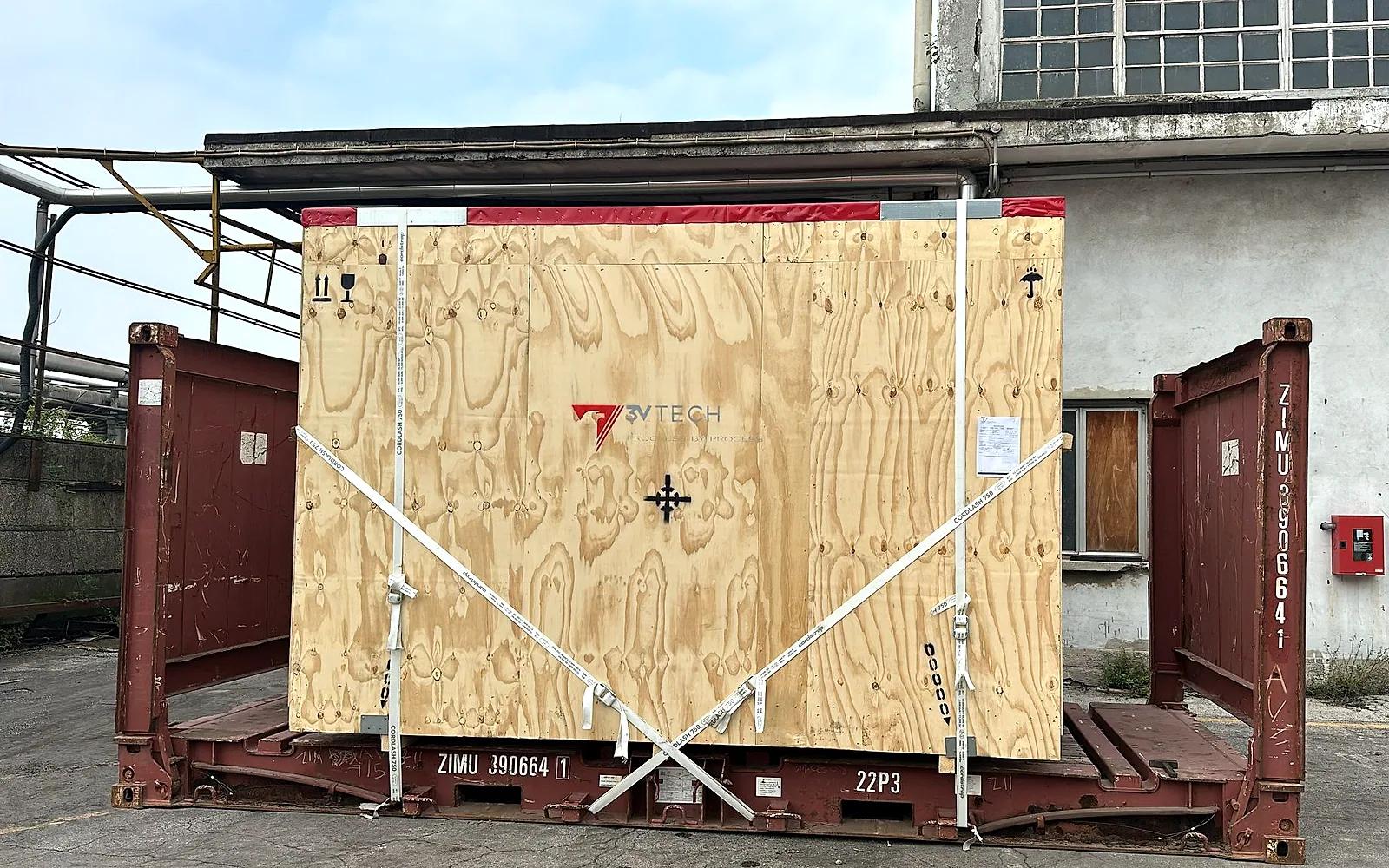
Pallet staging & cargo mix
Cargo is staged by destination, weight and stack-ability before stuffing — so the load plan is real, not improvised at the container door.
- Staging by destination and weight
- Stack-ability and segregation checks
- Photographic record per pallet

Labelling & identification
Every pallet and every package is labelled to a standard the destination handler can actually read — so deconsolidation is fast and nothing goes missing on the warehouse floor.
- Standard destination-friendly labels
- Reference codes per consignee
- Photo evidence on file
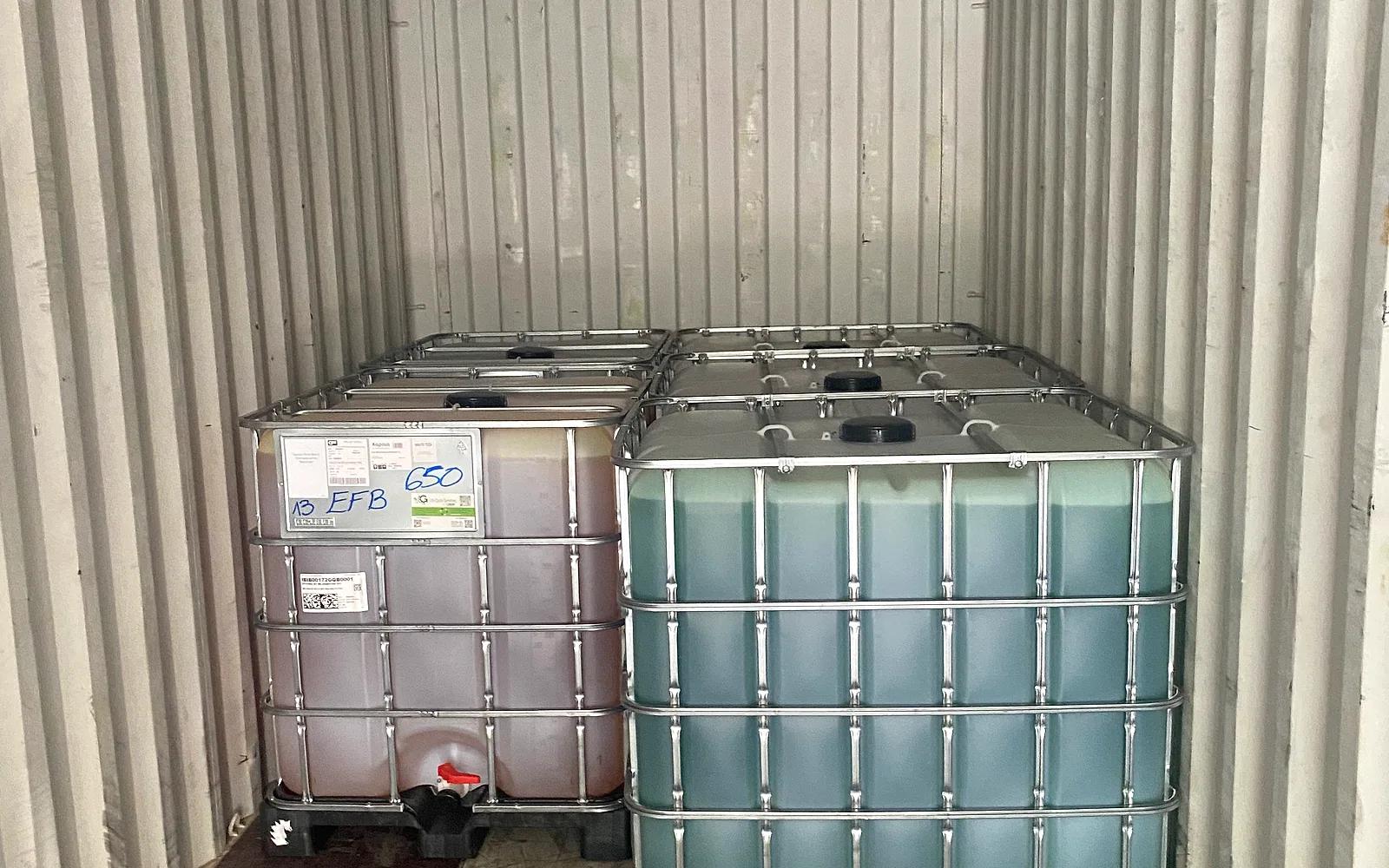
Container stuffing
Stuffing is supervised, dunnage is added where it matters, and the seal is recorded against the load plan — every container has a paper trail back to the pallets inside it.
- Supervised stuffing with load plan
- Dunnage and securing where required
- Seal recorded against the manifest
From cargo-ready to deconsolidation
1 · Cargo brief & cut-off
Cargo, dimensions, classification and cut-off aligned with the next sailing.
2 · Receiving & staging
Cargo received at our consolidation warehouse, staged and labelled.
3 · Stuffing
Container stuffed under supervision, sealed and documented.
4 · Sailing
Sailing tracked vessel-by-vessel; consignees see their cargo on the master booking.
5 · Deconsolidation
Deconsolidation at destination, customs hand-off and final delivery.
Every shipment, every document, every milestone — in one portal.
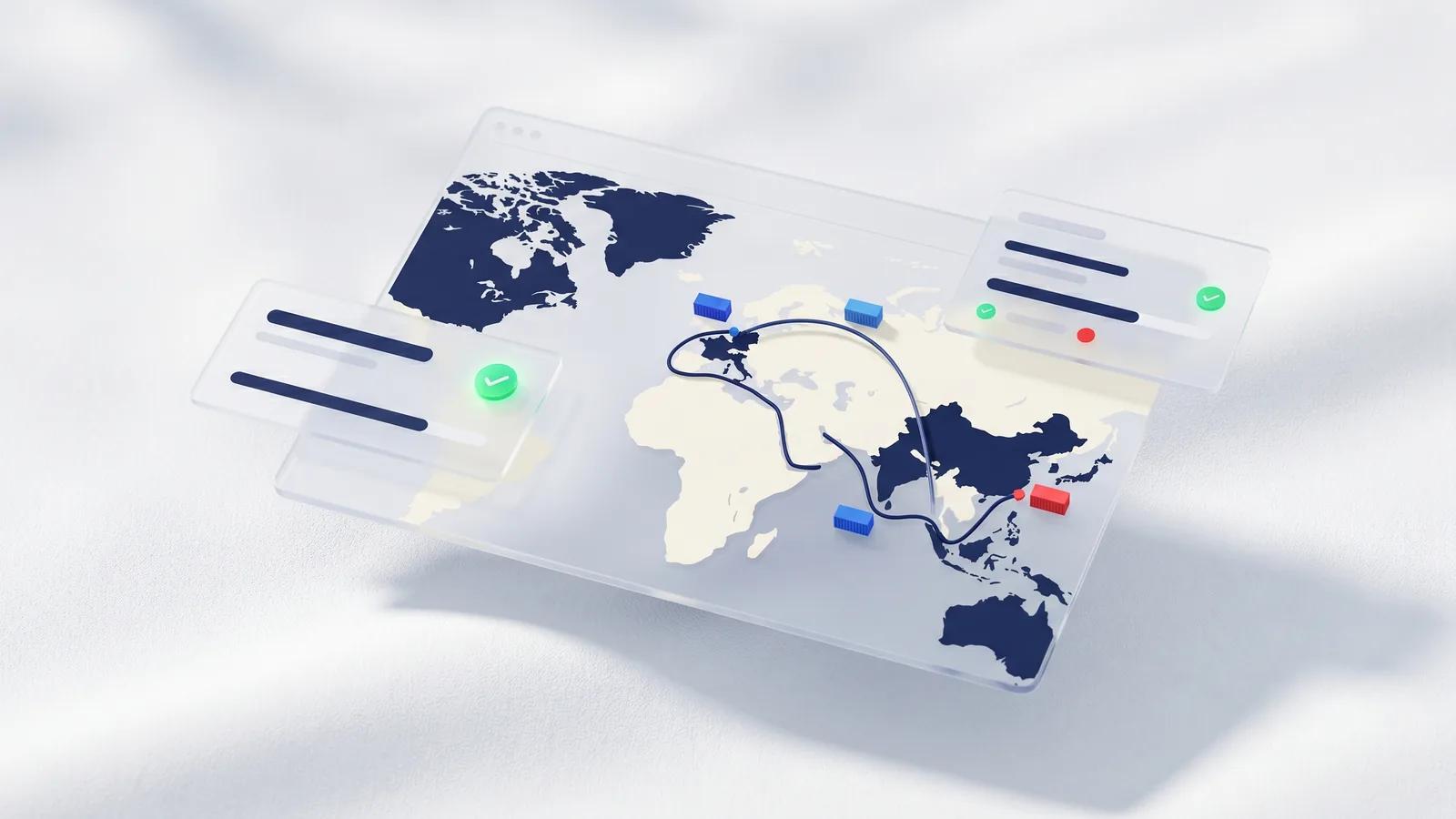
Every Delta Novel service lands in the same portal: milestone timeline, route map, document status and warehouse arrivals, updated by the same operators who run your file.
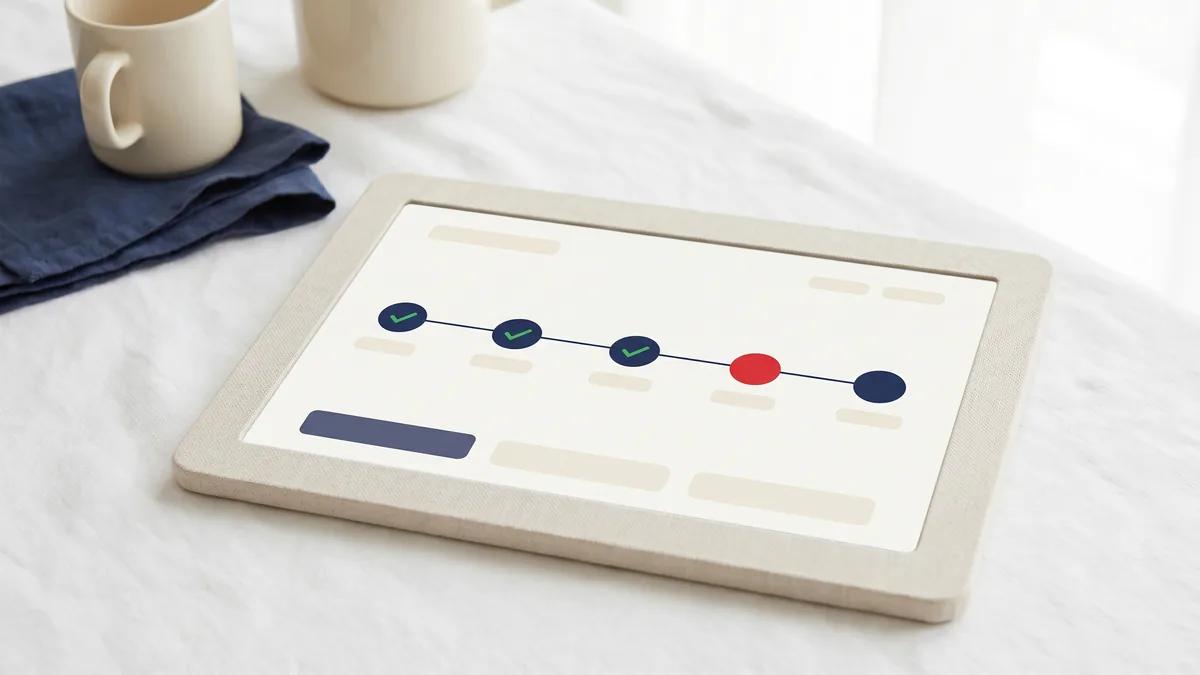
Live shipment timeline
Booking, departure, transshipment, arrival, customs, delivery: every milestone recorded on the file, dated.
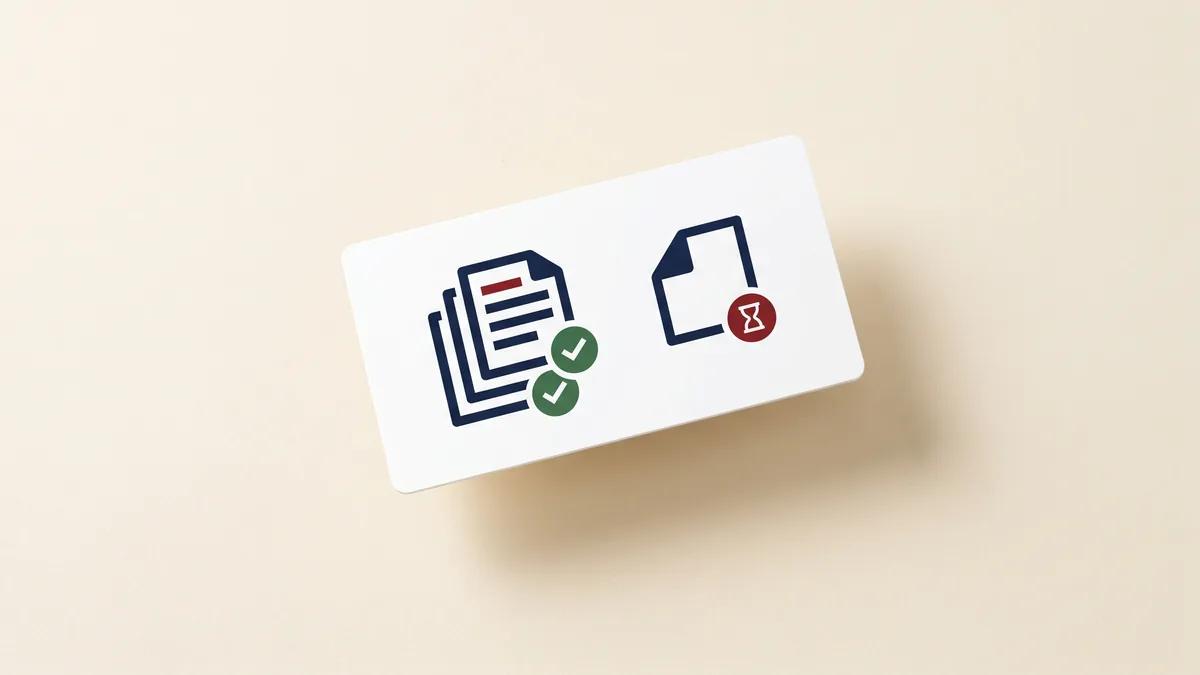
Document status
Bills of lading, invoices, certificates and customs paperwork in one place — ready or pending, never lost in email.
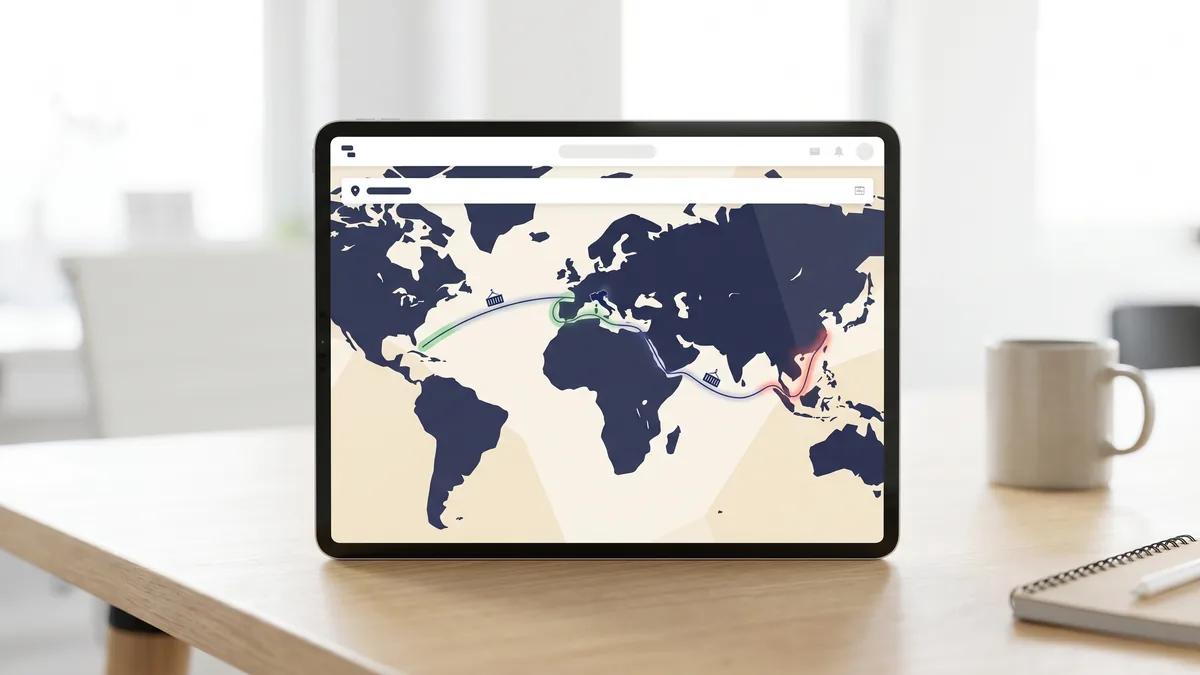
Route map visibility
Origin, transshipment and destination plotted on the route map for ocean, road and multimodal moves.
Related services
LCL is rarely standalone — warehousing, customs and ocean freight tend to sit on the same file.
Tell us about the cargo
Origin, destination, the cargo mix and the cadence — that is everything we need to come back with an LCL plan that actually fits.